LinkedIn has officially declared war on AI-generated content — and the numbers that triggered the crackdown are staggering. Between April and June 2026, approximately 30% of all comments on LinkedIn were fully AI-generated. In the two weeks after LinkedIn introduced a user-flagging mechanism for "AI slop," more than 1 million flags were submitted — making it one of the fastest community responses to a platform feature in LinkedIn's history.
The consequences are immediate. LinkedIn has rolled out a new relevance-based comment ranking algorithm that actively demotes content it identifies as generic, low-effort, or AI-generated. Posts that once gained engagement from bot-like comments — "Great insights!" or "Totally agree, very valuable!" — now see those comments buried or removed entirely. For B2B marketers and brands across the GCC who have leaned on AI tools to maintain a LinkedIn presence, the rules just changed fundamentally.
🔑 Key Takeaways
- LinkedIn's new algorithm deprioritises generic AI-generated comments and posts in feed distribution
- Human-authored, original content now receives significantly higher organic reach
- 75% of LinkedIn AI citations come from individual profiles — personal branding beats company pages
- LinkedIn is testing AI content detection signals including language patterns and posting cadence
- Brands relying on volume AI posting will see declining reach; authentic voices will benefit
- UAE and GCC B2B marketers should shift to thought leadership and executive profiling now
What LinkedIn's New Algorithm Actually Does
LinkedIn has not published a full technical brief, but based on reporting from Finn Partners and LinkedIn's own engineering blog, the new system operates on several layers:
Comment relevance scoring: Every comment is now assessed for semantic relevance to the original post. Generic affirmations ("Great post!", "Insightful!", "Couldn't agree more!") score low and receive reduced visibility — regardless of whether written by a human or AI.
Behavioural signals: Accounts that comment at high velocity — dozens of unique comments per hour, or commenting within seconds of a post going live — are flagged for behavioural anomalies consistent with automated tools.
Content originality signals: Posts are scored for originality. Repeated sentence structures, topic overlap with recently trending posts, and lack of first-person specificity are all negative signals.
The practical effect: a company page that posted five times per week using AI-drafted content and relied on AI-powered engagement pods is now likely seeing a 40–60% drop in organic reach — based on early data from marketers sharing their analytics publicly.
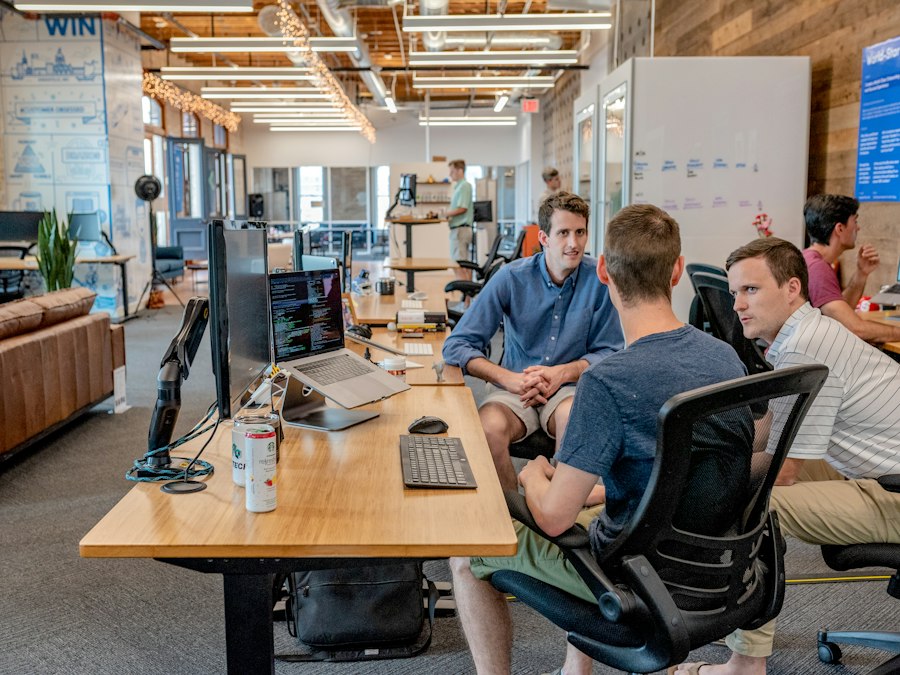
B2B marketing teams are rebuilding LinkedIn strategies around authentic, human-authored thought leadership. Photo: Unsplash
Why 75% of AI Citations Come From Individuals, Not Brands
One of the most actionable insights from this story is the citation asymmetry: 75% of all LinkedIn AI content citations originate from individual profiles, not company pages. This matters because LinkedIn's feed ranking documentation has long noted that content from individuals outperforms branded company page content — and the new algorithm intensifies this gap.
- Personal executive profiles with niche expertise will become the primary B2B brand distribution channel
- CEOs, department heads, and subject matter experts posting in their own voice will anchor visibility
- Company pages work best as amplifiers and credibility anchors, not primary content engines
- Employee advocacy programs gain renewed strategic importance in the post-AI-slop era
For GCC enterprises — particularly in fintech, logistics, real estate, and professional services where LinkedIn is the dominant B2B channel — the shift toward individual thought leadership is both a challenge and an opportunity to differentiate from competitors still relying on AI mass-posting.
⚠️ Risk for GCC B2B Brands
Many regional enterprises have used LinkedIn automation tools and AI-drafted content to maintain presence. These approaches are now algorithmic liabilities. Accounts with a history of AI-pattern posting may experience suppressed reach even for genuinely human-written future content — a trust-signal rebuild process that can take 4–8 weeks.
What LinkedIn Allows — And What It Penalises
✅ Allowed: Using AI tools to research topics, draft outlines, refine tone, fix grammar, or suggest post ideas. LinkedIn explicitly allows AI-assisted writing — the key requirement is "authentic human perspective" meaning the ideas, experiences, and opinions must genuinely be yours.
⬇️ Algorithmically suppressed (not banned): Publishing AI-generated text verbatim without personalisation; using AI tools to mass-generate hundreds of comments; recycling AI-drafted frameworks across multiple posts with minimal editing.
❌ Against Terms of Service: Automated comment bots; purchasing AI-generated engagement; using third-party tools to post at a cadence that violates LinkedIn's API rate limits.
🇦🇪 UAE Marketers: Your Window to Stand Out Is Open Right Now
As competitors pull back from LinkedIn or scramble to adapt, brands and professionals who invest in authentic executive thought leadership today will capture disproportionate organic reach. A single well-crafted post from a credible individual can now outperform dozens of company page posts. This is the most significant organic reach opportunity on LinkedIn in three years — and it's available to GCC businesses that move first.
7 Immediate Actions for B2B Marketers on LinkedIn
-
Audit your content for AI signals Review your last 30 posts and 50 comments. Flag any using generic language patterns, repeated structural templates, or lacking first-person specific details — these are most likely being suppressed.
-
Stop AI-generated comments immediately Any tool or workflow generating comments on behalf of your team or clients should be paused now. The short-term engagement lift is a long-term reach penalty.
-
Identify 3–5 internal thought leaders Find individuals with genuine expertise and potential audience appeal. Focus on decision-maker audiences your brand needs to reach: CEOs, Operations Managers, IT Heads, Procurement Directors.
-
Build an editorial calendar around specific opinions Not "AI is transforming logistics" — too generic. Instead: "Here's why we chose not to automate last-mile in Q3 2026 — and what the data showed." Specificity is the new reach signal.
-
Respond to every substantive comment within 4 hours LinkedIn's algorithm treats reply engagement as a strong quality signal. A post with 8 comments that generated a real conversation outperforms a post with 25 generic "great insights" reactions.
-
Shift company page strategy to distribution, not creation Reshare your thought leaders' posts from the company page. Use company pages for product updates, job posts, and industry recognition — not thought leadership content.
-
Use AI for research and structure; humans for voice The winning workflow: AI pulls relevant data, identifies trending angles, and suggests frameworks. A human writes the actual post using those inputs with genuine perspective and professional experience.